


Town Car vs Taxi: Key Differences and Benefits of Seattle Town Car Service
The differences between a town car and a taxi go far beyond the vehicles themselves. Town cars represent a premium transportation service focused on comfort, reliability, and professionalism, while taxis provide basic point-to-point transportation with variable service levels.
Key differences include:
- Reservation System: Town cars are pre-arranged and scheduled in advance, ensuring availability exactly when you need it. Taxis can be hailed on the street or booked on short notice but availability can be unpredictable, especially during peak hours or inclement weather.
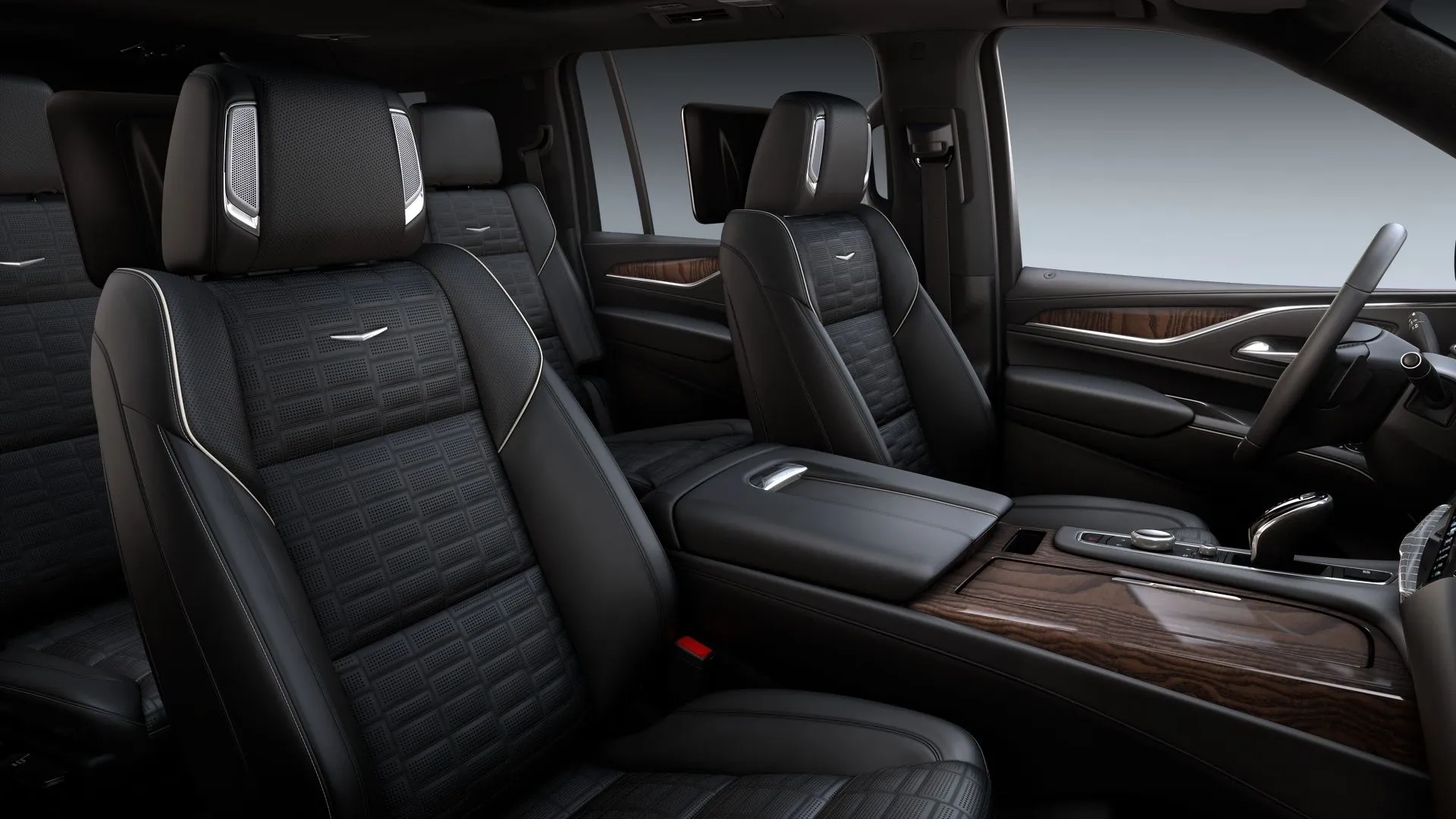
- Vehicle Quality: Town cars are typically luxury sedans (often Lincoln models) or high-end SUVs that are meticulously maintained, cleaned between each client, and replaced regularly. Taxis are usually basic model cars or minivans designed for durability rather than comfort, and maintenance standards vary widely.
- Driver Professionalism: Town car chauffeurs are professionally trained, undergo background checks, dress in business attire, and focus on customer service. Taxi drivers have basic licensing requirements but less rigorous service standards and training.
- Pricing Structure: Town cars usually have flat rates or hourly charges with no surprises, while taxis use metered rates that can fluctuate with traffic conditions or time of day.
- Amenities: Town cars frequently offer complimentary bottled water, climate control for passengers, and sometimes Wi-Fi access. Taxis rarely provide additional amenities beyond basic transportation.
Seattle Town Car Service providers distinguish themselves with well-maintained luxury vehicles and professional chauffeurs who are familiar with the city, ensuring a comfortable and reliable transportation experience.
Is a Town Car the same as a taxi?
No, a Town Car is distinctly different from a taxi in numerous ways. While both provide transportation services, they cater to different market segments and offer substantially different experiences.
Taxis are regulated public transportation vehicles that anyone can flag down on the street or call for immediate service. They typically charge by the meter based on distance and time, and the vehicles are often compact to mid-size cars marked with distinctive colors and signage.
In contrast, Seattle Town Car Service provides executive transportation that must be pre-arranged. The vehicles are unmarked luxury sedans or SUVs—traditionally Lincoln Town Cars, though today many companies use a variety of premium vehicles. Town car services emphasize discretion, comfort, and professionalism.
From a regulatory perspective, taxis in Seattle operate under specific taxi licenses with metered fares, while town cars operate under for-hire vehicle or limousine licenses with pre-arranged flat rates. According to the King County regulations, town cars "charge a flat fee per trip, rather than a metered fare like a taxi" and cannot be hailed from the street like taxis.
The primary focus of town car services is to deliver a premium experience rather than simply providing transportation from point A to point B.
Why do they call it a Town Car?
The term "Town Car" has historical roots dating back to the early days of automobiles but gained prominence through Lincoln's luxury sedan model. The name has an interesting evolution:
Originally, in the 1920s, a "town car" referred to a specific body style of limousine where the driver sat in an open compartment while passengers enjoyed a closed cabin—a design reminiscent of horse-drawn carriages where the driver would sit outside exposed to the elements. These vehicles were considered prestigious and were primarily used by wealthy individuals for transportation around town, hence the name.
Lincoln first used the "Town Car" designation in 1959 as a special limousine version of its Continental model. From 1970 to 1980, it was used as a trim level option for the Lincoln Continental. In 1981, Lincoln launched the Town Car as a standalone model that would go on to become one of America's most recognized luxury sedans.
The Lincoln Town Car was produced from 1981 to 2011 and became synonymous with executive transportation and limousine services. Even though Lincoln discontinued the model in 2011, the term "town car" remains widely used in the transportation industry to describe premium sedan services.
The name embodies the vehicle's purpose: sophisticated transportation for urban settings, with an emphasis on comfort and style—qualities that Seattle Town Car Service providers continue to uphold today.
What does Town Car service mean?
Town Car service refers to a premium category of ground transportation that emphasizes luxury, professionalism, and reliability. Though named after the iconic Lincoln Town Car that dominated the executive transportation industry for decades, today's town car services use various luxury vehicles while maintaining the same high service standards.
When you book a Seattle Town Car Service, you're not just arranging transportation—you're reserving a comprehensive experience characterized by:
- Professional Chauffeurs: Drivers are carefully screened, professionally trained, and dressed in business attire. They're knowledgeable about the area and focused on providing exceptional customer service.
- Luxury Vehicles: Though the Lincoln Town Car was discontinued in 2011, services typically use high-end sedans from brands like Lincoln, Cadillac, Mercedes-Benz, or BMW, as well as luxury SUVs for larger groups.
- Reliability: Town car services prioritize punctuality with systems for tracking flights and adjusting to schedule changes. Most companies guarantee on-time pickups and have contingency plans for unexpected situations.
- Door-to-Door Service: Unlike taxis or rideshares, chauffeurs typically meet clients inside airports (holding name signs), assist with luggage, and provide true door-to-door service.
- Consistent Pricing: Services generally offer transparent flat rates rather than unpredictable metered fares, allowing clients to budget precisely for transportation needs.
- Additional Amenities: Many services offer complementary bottled water, newspapers, Wi-Fi, phone chargers, and other conveniences to enhance the travel experience.
Town car service is particularly popular for business travel, airport transfers, special occasions, and situations where reliability and professionalism are paramount.
What is the difference between a car and a taxi?
The difference between a regular car and a taxi goes beyond the physical vehicle to encompass licensing, regulations, operation, and purpose:
- Licensing and Regulation: Taxis are commercial vehicles that require special licensing from local transportation authorities. In Seattle, taxis must display King County and/or City of Seattle plates and have visible for-hire driver licenses. Private cars are registered for personal use and don't have commercial licensing requirements.
- Appearance and Identification: Taxis are distinctively marked with company colors, special lighting, and taxi identification numbers. In Seattle, taxis are typically yellow or another consistent color with prominent signage. Private cars don't have commercial markings.
- Meter and Fare Structure: Taxis have installed meters that calculate fares based on distance and time according to rates set by local regulations. Private cars don't have fare meters.
- Insurance: Taxis carry commercial insurance policies with higher coverage limits designed for passenger transportation. Personal vehicles typically have standard auto insurance that doesn't cover commercial activities.
- Operation Model: Taxis can be hailed from the street, dispatched via call centers, or booked through apps. They're available for immediate, on-demand service to the general public. Private cars are for personal use or, in the case of Seattle Town Car Service vehicles, for pre-arranged transportation only.
- Driver Requirements: Taxi drivers need special for-hire licenses that require background checks, knowledge tests, and regular renewals. Private car owners only need standard driver's licenses.
This fundamental distinction explains why services like Seattle Town Car Service operate differently than taxis—they're not licensed as taxis and therefore must operate on a pre-arranged basis with different service standards and pricing structures.
Does anyone still make a Town Car?
The Lincoln Town Car, the iconic luxury sedan that became synonymous with executive transportation, was officially discontinued by Ford Motor Company in 2011. After a 30-year production run (1981-2011) as a standalone model, Lincoln made the strategic decision to end Town Car production and shift its focus toward more modern luxury vehicles.
No major manufacturer currently produces a vehicle specifically called a "Town Car." However, the spirit of the Town Car lives on in several ways:
- Legacy in the Livery Industry: Despite being out of production for over a decade, many Lincoln Town Cars remain in service in livery and executive transportation fleets due to their durability and comfort. However, these aging vehicles are gradually being replaced.
- Modern Alternatives: Today's Seattle Town Car Service providers have transitioned to various luxury sedans and SUVs including:
- Lincoln Continental (the spiritual successor until it was also discontinued after 2020)
- Cadillac XTS and CT6
- Chrysler 300
- Mercedes-Benz E-Class and S-Class
- BMW 5-Series and 7-Series
- Various luxury SUVs for larger groups or more luggage capacity
- The "Town Car" Term Lives On: Despite the vehicle itself being discontinued, the term "town car" has become generic in the transportation industry, referring to any luxury sedan service with a professional chauffeur. Many companies continue to use "town car service" in their marketing regardless of the actual vehicles in their fleet.
For those seeking the traditional Town Car experience in Seattle, professional transportation providers now offer an even more diverse range of luxury vehicles while maintaining the same high standards of service that made the Town Car famous.
What is the difference between a Town Car and a taxi?
The difference between a Town Car and a taxi encompasses everything from vehicle quality and service standards to booking methods and overall experience:
Vehicle Differences
- Town Cars: Premium luxury sedans or SUVs (traditionally Lincoln Town Cars, now often Cadillac, Lincoln, Mercedes, or BMW models) with comfortable leather interiors, climate control, and ample legroom. These vehicles are immaculately maintained and typically newer models.
- Taxis: Basic to mid-range vehicles (often Toyota Camry, Ford Crown Victoria, or similar) with durable but utilitarian interiors. Maintenance and cleanliness standards vary widely between companies and individual operators.
Service Model
- Town Cars: Pre-arranged service with scheduled pickups, professional chauffeurs in business attire, and personalized attention. Seattle Town Car Service providers typically confirm bookings in advance and track flights for airport pickups.
- Taxis: On-demand transportation that can be hailed on the street or called for immediate service, with minimal personalization and variable driver professionalism.
Pricing Structure
- Town Cars: Transparent flat rates based on distance or hourly charges that remain consistent regardless of traffic or route. No meters or surprise charges.
- Taxis: Metered fares that increase with time and distance, potentially resulting in higher costs during traffic congestion or peak periods.
Customer Experience
- Town Cars: Door-to-door service with luggage assistance, amenities like bottled water or newspapers, and a focus on comfort and convenience. Drivers often know the client's name and preferences.
- Taxis: Basic point-to-point transportation with minimal extras or personalized service elements.
Reliability
- Town Cars: Guaranteed availability at scheduled times with systems to track and adjust for flight delays or schedule changes.
- Taxis: Variable availability dependent on demand, weather, and time of day, sometimes resulting in long waits during peak times.
According to a 2024 Seattle Transportation Survey, business travelers cited reliability (89%), vehicle quality (76%), and driver professionalism (72%) as the primary reasons for choosing town car services over taxis. For airport transportation especially, the peace of mind that comes with a guaranteed pickup and fixed pricing often outweighs any slight cost difference between the services.
If you're considering transportation options in Seattle, professional Town Car services offer a significant upgrade in comfort, reliability, and overall experience compared to traditional taxis. While the iconic Lincoln Town Car may no longer be in production, Seattle Town Car Service providers continue to offer premium transportation with an expanded range of luxury vehicles and the same commitment to excellent service.
https://seattlestowncar.com
все статьи